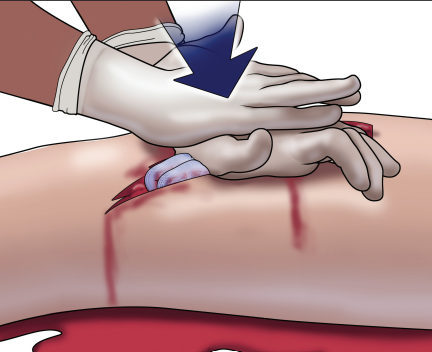
The concept of being “prepared” has moved beyond simply stocking emergency supplies and waiting for something to happen. True preparedness now encompasses the skills and knowledge to act effectively when moments truly matter. Among these vital skills, the ability to control severe bleeding stands out as #1 way to save a life. This is where “Stop the Bleed” training comes in, a crucial course that every prepared citizen should consider attending.
Imagine this scenario: you’re enjoying a typical day, perhaps at a community event, a local park, or even in your own home. Suddenly, an accident occurs – a severe fall, a car crash, or an unforeseen violent incident. Someone is critically injured, bleeding profusely. In those first few minutes, before professional medical help can arrive, you could be the difference between life and death.

Uncontrolled bleeding is the leading cause of preventable death after trauma. While first responders and paramedics are highly trained, they often face challenges like traffic, distance, or multiple casualties. The average ambulance response time can vary widely, and even a few minutes can be too long when someone is rapidly losing blood. This is why immediate, effective action by a bystander is so incredibly powerful. A person can bleed out in 3-5 minutes if not attended to. The national average (in the US) EMT response time is 7-12 minutes. Response times get even longer during large events. They also extend when travelling further from a city, such as on a backpacking trip or camping further from established areas.
This blog may earn a small commission from purchases made through links on this page, at no additional cost to you. These affiliate links help support the blog’s upkeep and allow us to continue creating valuable content for our readers. Thank you for your support!
What is “Stop the Bleed”?
“Stop the Bleed” is a nationwide initiative launched by the White House, with the goal of empowering bystanders to save lives by teaching them basic techniques to control severe bleeding.
These techniques are straightforward, easy to learn, and incredibly effective. The courses typically cover:
- Recognizing Life-Threatening Bleeding: Understanding what constitutes a true medical emergency and when immediate intervention is needed.
- Applying Direct Pressure: The most basic and often most effective method to control bleeding. You’ll learn how to apply firm, continuous pressure directly to the wound.
- Packing a Wound: For deeper, more severe wounds, you’ll learn how to pack the wound with gauze or cloth to help control bleeding.
- Applying a Tourniquet: This is a life-saving skill for arterial bleeding on limbs, where direct pressure might not be enough. You’ll learn the proper application and use of a tourniquet. Many people may own these in their medical kits or IFAKs but have never taken the time to practice applying them.
Check out the SAM XT Tourniquet review we did HERE

Stop The Bleed® Basic Kit with CAT Tourniquet
Contains a tourniquet, bandage, gauze, shears, marker and instructions.(max 5v/1a)
Buy Now on Amazonhttps://www.bleedingkits.org/all-products/premium-personal-stop-the-bleed-kits.html or buy kits directly from the Stop the Bleed site for similar prices.
Why is this training essential for you as a prepared citizen?
You are the Immediate Responder: In any emergency, the person closest to the victim is the immediate responder. This could be you. Waiting for professional help can be fatal. By having “Stop the Bleed” training, you bridge that critical time gap.
It’s More Common Than You Think: While we hope to never encounter a mass casualty event, severe bleeding can result from a wide range of everyday incidents:
- Household Accidents: Falls, cuts from power tools, kitchen mishaps.
- Motor Vehicle Accidents: Even minor collisions can cause significant trauma.
- Outdoor Activities: Hiking injuries, camping accidents, recreational vehicle incidents.
- Workplace Incidents: Machinery accidents, falls.
- Acts of Violence: Though less common, these unfortunately do occur and often involve severe bleeding.
Jobs that require or recommend Stop the Bleed training
Healthcare Professionals:
Emergency Medical Technicians (EMTs)
Registered Nurses
Physician Assistants (PAs)
First Responders:
Emergency Medical Responders
Firefighters
Law Enforcement Officers
High Risk Environments:
Electrical Line Workers
Construction Workers
Ski Patrol
Simple Skills, Profound Impact: You don’t need to be a medical professional to learn these techniques. The beauty of “Stop the Bleed” is its simplicity and effectiveness. With a few hours of training, you gain the confidence and capability to potentially save a life.
Empowerment Through Action: Knowing you have the skills to act in a crisis reduces feelings of helplessness and panic. Instead of being a passive observer, you become an active participant in saving a life. This empowerment extends beyond the immediate emergency, fostering a greater sense of confidence in your ability to handle challenging situations.
Community Resilience: The more citizens who are trained in “Stop the Bleed,” the more resilient our communities become. In a large-scale disaster or a widespread incident, a trained populace can significantly reduce casualties and alleviate the strain on emergency services. It creates a network of potential lifesavers, strengthening the fabric of our society.
It Complements Other Preparedness Efforts: If you already have an emergency kit, a family evacuation plan, or first-aid supplies, adding “Stop the Bleed” training is the logical next step. It’s the practical application of those supplies and a critical component of a comprehensive preparedness strategy.
Taking the Next Step
Finding a “Stop the Bleed” course is easier than you might think. Many hospitals, emergency medical services (EMS) agencies, and community organizations offer these trainings. A quick online search for “Stop the Bleed training near me” or checking with your local fire department or hospital is a great starting point. You can also use the class finder directly from the Stop the Bleed website.
https://cms.bleedingcontrol.org/class/search
The cost of these courses is often minimal, sometimes even free, and the time commitment is generally just a 1 – 2 hours. The return on that investment, however, is immeasurable. It’s the knowledge that you could be the person who steps up, takes control, and saves a life.
In an unpredictable world, being prepared isn’t just about protecting yourself and your family; it’s about being ready to extend a helping hand when someone else desperately needs it. “Stop the Bleed” training equips you with the power to be that lifeline. Don’t wait for an emergency to wish you had the skills. Your community, and potentially a life, depends on it. After taking a course you typically get a certificate as well to prove to employers that you did the training.

2 thoughts on ““Stop the Bleed” for Prepared Citizens”
Comments are closed.